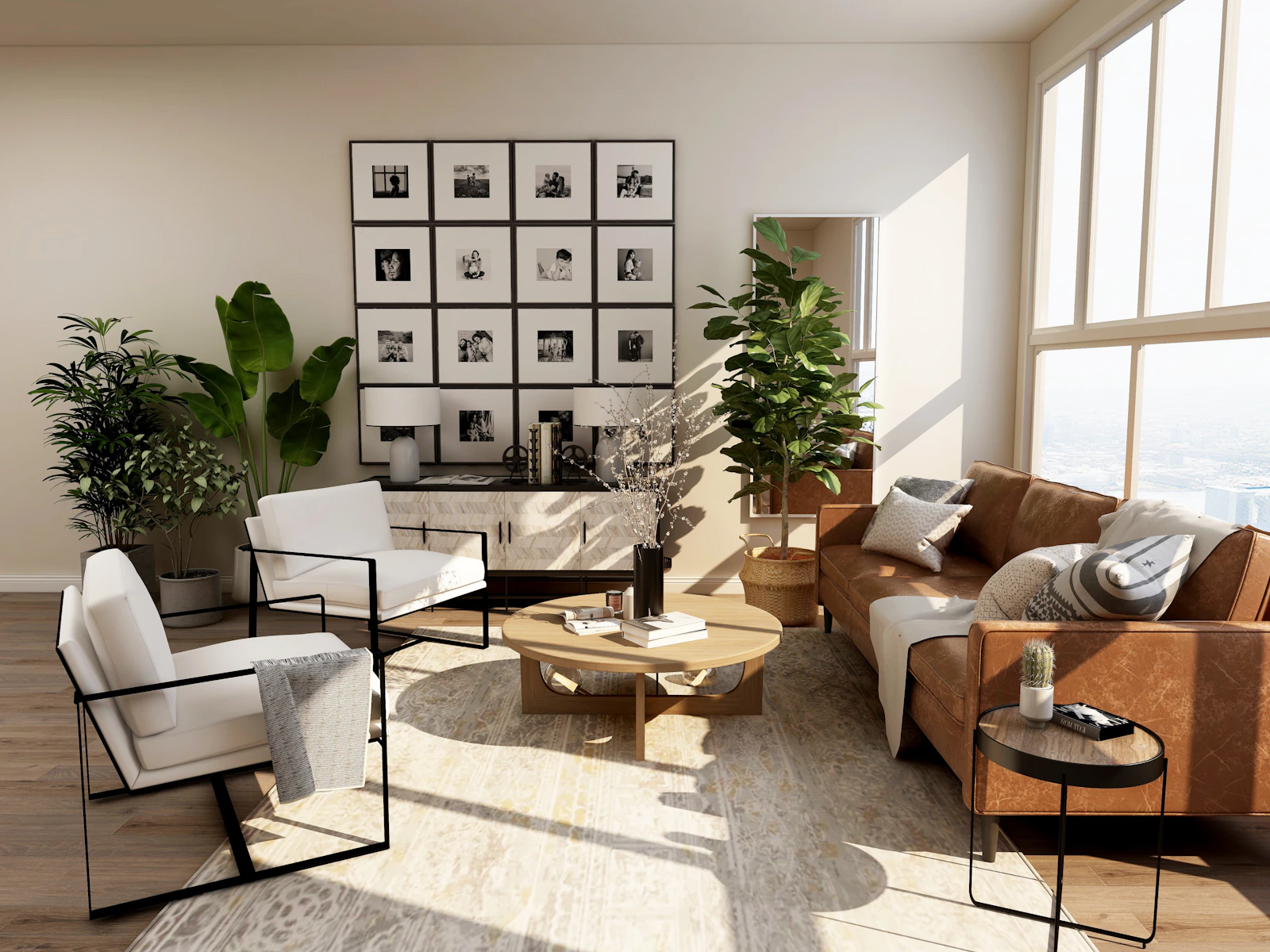
There is a particular calm about people who buy well. They are not the ones who negotiated hardest or found the loudest bargain. They are the ones who knew, before they walked in, what they were looking for, and who recognised it when they saw it.
This is a guide to how they think. Seven considerations, in roughly the order a thoughtful buyer meets them, none of which require a lawyer’s mindset. They require taste, patience and a willingness to ask better questions.
The short answer
Before choosing a premium home in India, check seven things: design sensibility, location intent, builder credibility, long-term value, lifestyle fit, documentation clarity, and the quality of the buying experience. Together they reveal whether a home is merely expensive or genuinely well made.
1. Design sensibility
Begin with the way the home holds light. Stand in the living room at the hour you will use it most and notice the direction of the sun, the depth of the balcony, the ceiling height, and whether air can cross the apartment from one side to the other. Good design is felt before it is analysed. Look for proportion, sensible storage, honest materials and a considered entrance, the moment when a home tells you how it wants to be lived in.
Then look at what is rarely photographed: the hinges and door handles, the way tiles meet at a threshold, the alignment of a skirting board, the sound a window makes when it closes. Details are where a builder’s standards become visible, and they are difficult to fake at scale.
2. Location intent
Every address has a reason. Ask what yours is. Is it the commute, the school, the quiet, the view, the community? Then test it. Drive the route at 8:30 in the morning. Stand on the balcony at dusk. Note whether the home faces the main road or turns inward towards a garden, since the difference is felt every day for years.
Consider, too, what surrounds the home rather than the home alone. A project beside a planned green belt or a well-kept road will feel very different in ten years from one facing an undeveloped plot. Ask what can be built nearby, and what the master plan says.
3. Builder credibility
A brochure describes intent, while a delivered project shows character. Visit one that is two or three years old. See how the common areas have aged, how the landscaping has matured, and whether the lobby still feels cared for after a few monsoons. Speak to residents, and listen for how the developer behaved after handover. RERA registration is the baseline, not the differentiator; delivery history and after-sales care are what set builders apart.
4. Long-term value
Value is not only about appreciation. Consider how easily the home could be sold or rented in ten years, whether the neighbourhood has room to grow without losing its character, and how the community will be maintained. Timeless design tends to age better than trend-led design, and a well-run community often holds its worth better than a clever floor plan.
The best buyers are not chasing the market. They are choosing a life, and letting the numbers confirm it.
5. Lifestyle fit
Buy the home you will actually live in, not the one you will photograph. Think through the ordinary details: parking for two cars, a corner for working from home, a safe space for children, a ground-floor-friendly route for ageing parents, a place for the dog. A home that suits the way you live will always outperform one that impresses visitors.
It helps to write down a normal week before you view a home, then walk through it in your imagination. Where do the shoes go? Where does the school bag land? A floor plan tells you very little until it meets a routine.
6. Documentation clarity
This is less about caution than about respect. A well-run developer makes paperwork feel almost dull: a clear price sheet with every component listed, a payment plan that is easy to follow, a stated possession date, and answers that arrive in writing without chasing. If you find yourself decoding a document, that is information about how the relationship may unfold.
Take particular note of anything expressed only as a percentage or a “to be confirmed”. Clarity means every figure arrives with a rupee amount, and every promise with a date beside it.
7. The buying experience itself
How you are treated before you buy is the best preview of how you will be treated after. Notice whether questions are answered directly, whether the pace is set by you, and whether visits are unhurried. At Home Summit, we hold to the idea that a premium home deserves a premium process, one in which pricing and possession timelines are clear from day one.
The experience also includes what happens after the sale: the handover walk-through, the snagging list, the first six months of maintenance. Ask who you will speak to then, and ask for their name.
A simple way to use this list
Score each of the seven from one to five for every home you consider, then compare. You will find that the highest-scoring home is rarely the most expensive, and often the one that felt right from the start. For a deeper look at why this matters, read our essay on what accessible luxury really means.